
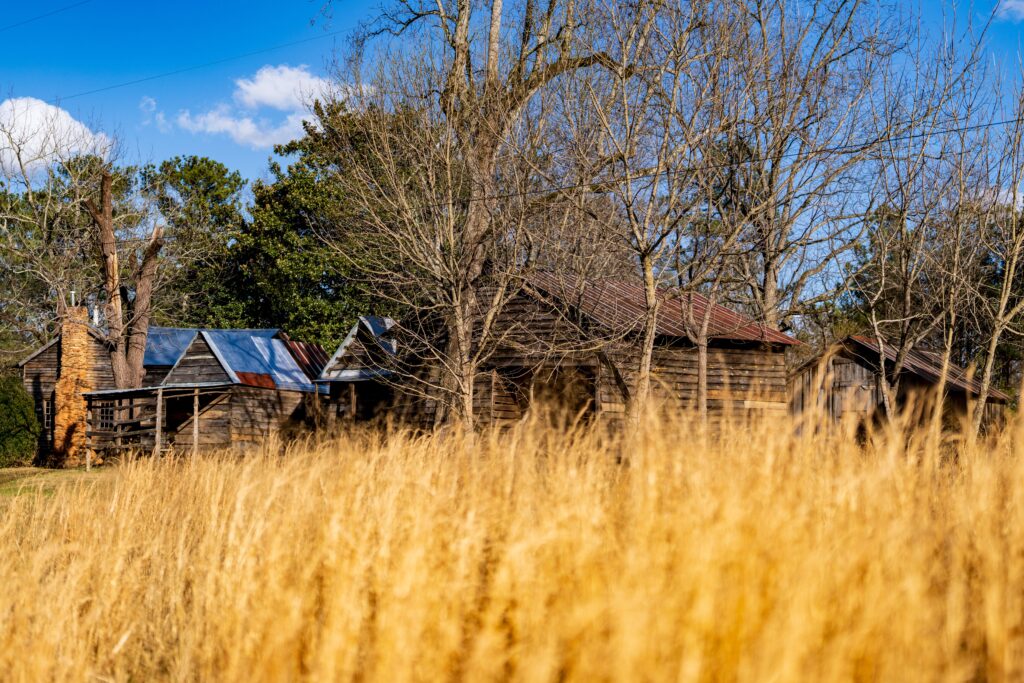
Owning vacant land might seem like a low-cost investment, but the truth is, it often drains more money than most landowners realize. While it doesn’t come with a mortgage or utility bills like a house, land ownership carries hidden costs that add up year after year. If your property isn’t producing income, these expenses can quickly become a burden. At Terra Flow Capital (TFC), we help landowners avoid the financial drain by offering a simple, fast way to sell land for cash.
The True Costs of Vacant Land
For many landowners, working with a realtor doesn’t make sense. Realtors often prioritize homes over vacant land because commissions on land sales are usually smaller. By selling FSBO, you:
- Property Taxes
Even the smallest parcels come with annual property tax bills. Over time, these payments add up — especially if you own multiple lots or live in a high-tax county. Missed payments can also lead to penalties or even foreclosure. - Maintenance Costs
Vacant land requires upkeep to avoid becoming overgrown, trash-dumped, or a fire hazard. Clearing brush, maintaining access roads, or fencing can cost thousands over the years. - Liability Risks
If someone trespasses on your land and gets injured, you could be held legally responsible. Without liability insurance (another added cost), this risk is a serious concern for many owners. - No Income Potential
Unlike a rental property that generates monthly income, vacant land usually sits idle. That means you’re paying to hold an asset that doesn’t put money back in your pocket.
Why Selling Could Be the Smarter Financial Move
Holding onto vacant land is often based on the idea that “one day” it might appreciate or be developed. But in the meantime, you’re paying for something that’s not helping your bottom line. Selling your land to a direct buyer like TFC means you:
- Stop paying ongoing property taxes.
- Eliminate liability risks.
- Get a fair cash offer without waiting months for a buyer.
- Free up cash you can reinvest into more profitable opportunities.
3 FAQs About the Costs of Holding Land
The largest costs usually come from property taxes, liability risks, and maintenance. Even if you’re not actively spending on the land, taxes and fees pile up every year. Over 10–20 years, these expenses can eat away at the land’s potential profit.
It depends on your financial goals. If your land is appreciating rapidly or has development potential, holding may make sense. But if it’s sitting idle and costing you money, selling often puts you in a stronger financial position — especially if you sell directly to a cash buyer like TFC.
Start with your annual property tax bill, then add insurance, maintenance, and any HOA or zoning fees. Compare that against any income your land is generating (if any). If the numbers show negative cash flow, it’s time to consider selling.
Final Thoughts
Vacant land isn’t as “cheap to hold” as many owners believe. Property taxes, liability, and lost opportunity costs make it an expensive long-term asset if it’s not producing income. Selling now may be the smartest financial decision you can make.
Ready to stop paying for land you don’t use? Contact Terra Flow Capital today for a fair cash offer and avoid the hidden costs of holding land.